

Proper lawn care begins with a well-timed mowing schedule. Mowing your lawn at the right time of day and during the optimal season not only promotes healthier grass but also helps enhance its appearance. Below, we’ll explore the best times and seasons to mow your lawn, along with some helpful tips to ensure maximum results.
Best Time of Day to Mow Your Lawn
- Early morning is an ideal time because temperatures are cooler, and there’s minimal stress on the grass.
- Morning dew begins evaporating, making it easier to cut without clogging your mower.
- Gives grass ample recovery time before afternoon heat sets in.
- Another excellent time to mow is late afternoon when temperatures cool down after peak heat hours.
- Grass has had all day to dry from watering or morning dew, ensuring clean cuts without excessive sticking.
- Avoids the potential for fungal diseases that can occur if grass is cut too late in the evening.
Times to Avoid Mowing
- Midday (11 a.m. – 3 p.m.): The sun is at its peak, and cutting during this time can stress both you and your lawn due to high heat levels. Grass may also lose more moisture during this period.
- Evening (After 6 p.m.): While cooler temperatures might seem appealing, evening mowing doesn’t allow enough drying or recovery time for freshly cut grass before nightfall.
Seasonal Considerations for Lawn Care
| Season | Ideal Frequency | Notes |
| Spring | Weekly | Grass grows rapidly; frequent cutting encourages healthy growth. |
| Summer | Every 1–2 weeks | Adjust frequency based on rainfall and heat intensity. Avoid cutting too short during dry periods. |
| Fall | Weekly/Bi-weekly | Growth slows down as temperatures drop but remains steady before frost sets in. |
| Winter | Rarely/As Needed | Only mow occasionally if growth persists due to mild weather conditions in warmer regions. |
Additional Tips for Seasonal Success
- Spring: Start mowing once grass reaches about three inches tall; avoid scalping as this weakens roots during early growth stages.
- Summer: Raise mower blades slightly higher during hot months to shield soil from sun exposure and conserve moisture.
- Fall: Gradually lower blade height toward late fall for better leaf removal while maintaining turf health.
- Winter: If mowing occurs in mild climates, ensure blades are sharp—dull blades can damage dormant grass.
Why Timing Matters
Mowing at optimal times minimizes stress on grass blades, reduces chances of fungal infections, and ensures even cuts that promote uniform regrowth patterns across your lawn.
Following these guidelines will not only keep your yard looking lush but also reduce long-term maintenance efforts by fostering healthier turf year-round—a rewarding outcome for any homeowner investing in their outdoor space!
Top Landscaping Boston MA Advice: Mulching, Bagging, and Discharging Grass Clippings
Proper management of grass clippings after mowing is essential for maintaining a healthy lawn and ensuring the neat appearance of your yard. Each method—mulching, bagging, and discharging—has its own benefits depending on the condition of your lawn, the season, and your landscaping goals. Below is an in-depth look at these methods to help you decide which is best for your needs.
Mulching Grass Clippings
- Nutrient Recycling: Grass clippings break down quickly, releasing nitrogen, phosphorus, and potassium back into the soil. These are essential nutrients that promote healthy growth.
- Moisture Retention: Mulched clippings act as a natural mulch layer, helping to retain soil moisture during dry periods.
- Eco-Friendly Solution: Mulching reduces yard waste by eliminating the need to bag or dispose of clippings.
Best for: Dry weather conditions and when grass isn’t excessively overgrown. Use a mulching mower or attach a mulching blade for optimal results.
Bagging Grass Clippings
- Weed Control: Bagging prevents weed seeds from spreading throughout your lawn.
- Tidy Appearance: It creates a spotless finish without clumps of grass left behind.
- Avoiding Thatch Build-Up: If your lawn already has thatch issues (a layer of dead organic matter), bagging can prevent further accumulation caused by decaying clippings.
Best for: Damp or overgrown lawns where mulching might leave heavy residue or when dealing with weeds that could spread if left on the ground.
Side Discharging Grass Clippings
- Quick Mowing Sessions: Side discharging allows you to cover large areas quickly without stopping to empty bags or change settings.
- Thick Lawns: This is ideal for lawns with denser turf where mulching may clog mowers.
- Seasonal Growth Spikes: During peak growth periods in spring and summer when grass grows rapidly.
However, side discharging can leave visible rows of cuttings that may need raking if not evenly distributed.
| Method | Benefits | Best For | Equipment Needed |
| Mulching | Nutrient recycling; moisture retention | Regular mowing; dry weather | Mulching mower/blade |
| Bagging | Weed control; tidier appearance | Overgrown lawns; dealing with weeds | Mower with collection bag |
| Side Discharging | Quick mowing; thick lawns | Dense turf; seasonal growth spikes | Standard mower with discharge chute |
Choosing the Right Method
The best approach depends on factors like seasonal conditions, lawn health, and personal preferences. For instance:
– Use mulching during dry summer months to nourish your lawn naturally.
– Bag grass if aesthetics are crucial or if you’re managing weed-prone areas.
– Opt for side discharge when tackling large properties with fast-growing grass.
By understanding these methods and their applications, you can ensure efficient mowing practices while promoting long-term lawn health.
Tips from a Landscaping Company Boston for Managing Overgrown Grass Before Mowing
Overgrown grass can pose a significant challenge for homeowners and property managers. Long grass can potentially damage lawn equipment, attract pests, and create an uneven, unsightly space. Proper preparation before mowing is essential to ensure a healthy lawn and maintain the performance of your tools. Here’s a guide on how to effectively manage overgrown grass before mowing.
Step 1: Assess the Condition of Your Lawn
Before you begin tackling overgrown grass, take some time to evaluate its current state.
- Height of the Grass: Measure the approximate height of the grass. If it exceeds 6 inches, you’ll need a more cautious approach.
- Moisture Levels: Ensure the grass is dry before proceeding. Wet grass can clog mowers and lead to uneven cuts.
- Presence of Debris: Remove any objects like sticks, rocks, or trash that could damage your mower or create safety hazards.
Step 2: Trim in Phases
- Begin by setting your mower blade at its highest setting.
- This ensures you remove only the top portion of the grass during the first pass.
- Grass thrives best when no more than one-third of its height is removed in a single mow.
- Gradually lower the mower height over subsequent sessions over several days if needed.
- For areas where grass is excessively thick or tall, use a string trimmer first before using your mower.
- This prevents overloading your mower with dense patches.
Step 3: Sharpen Your Mower Blades
- Inspect your mower blades before starting.
- Dull blades tear instead of cutting, which can weaken and yellow your grass tips.
- Always sharpen or replace blades as necessary for optimal performance.
Step 4: Decide Between Mulching or Bagging Grass Clippings
| Option | Benefits | When to Use |
| Mulching | Returns nutrients back into the soil, improving turf health naturally | Ideal when clippings are not too dense |
| Bagging | Removes excess debris to prevent smothering or buildup | Necessary when dealing with very long clippings |
If mulching isn’t possible due to excessive clumping caused by tall grass, opt for bagging instead.
Step 5: Water Sparingly Post-Mowing
- Avoid watering immediately unless it’s exceptionally dry weather.
- Let freshly cut areas “breathe” to reduce fungal growth risks caused by trapped moisture.
Additional Tips for Success
- Schedule regular mowing sessions moving forward (ideally every 7–10 days during peak growth seasons).
- Fertilize lightly if necessary after trimming back long growth; this encourages recovery without overwhelming stressed roots.
- Monitor pest activity that might have been hiding in overly tall grasses.
Managing an overgrown lawn requires patience and care but following these structured steps will make the process easier while promoting healthier turf in the long run.
Top Signs It’s Time to Hire a Hardscaping Boston Expert for Your Lawn Needs
Maintaining a healthy and visually appealing lawn requires consistent care, expertise, and time. While many homeowners prefer managing their outdoor spaces themselves, there are signs that indicate it’s time to call in professional help. Below are key indicators that hiring a landscaping company may be the best choice for your lawn.
1. Persistent Lawn Health Issues
If your lawn shows signs of declining health despite your efforts, it may need professional attention. Common problems include:
– Bald patches that do not respond to reseeding.
– Persistent weeds taking over despite regular weeding or herbicide application.
– Yellowing grass, which could indicate nutrient deficiencies or improper watering practices.
A landscaping company can assess these issues and implement tailored solutions such as soil testing, fertilization plans, or pest management strategies.
2. Lack of Time for Regular Maintenance
Proper lawn care requires regular mowing, edging, fertilizing, and watering. If you’re too busy with work or personal commitments to handle these tasks consistently, neglect can quickly lead to an overgrown or unhealthy lawn.
By hiring professionals:
– You’ll save time while ensuring your outdoor space is well-maintained year-round.
– You won’t have to worry about keeping up with the seasonal demands of lawn care.
Most companies offer weekly or bi-weekly maintenance schedules tailored to fit their clients’ needs.
3. Overgrown Grass and Shrubs Are Hard to Manage
When grass becomes too tall or shrubs grow wild, it can take considerable effort and expertise to restore the yard’s appearance.
Overgrowth can also:
– Create hiding spots for pests like rodents or snakes.
– Lead to uneven mowing results without proper equipment.
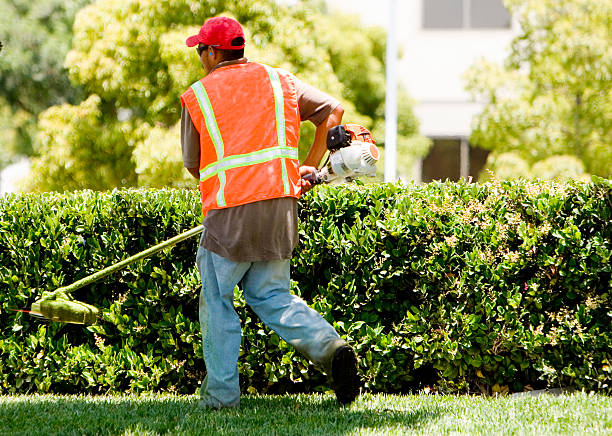
Professional landscapers have commercial-grade tools and techniques designed specifically for tackling overgrown lawns efficiently.
4. Difficulty Managing Seasonal Transitions
Different seasons come with unique challenges for lawn care:
| Season | Common Challenges | Professional Solutions | |————-|—————————————|—————————————–| | Spring | Aeration & dethatching | Ensuring proper soil preparation | | Summer | Heat stress & drought | Devising irrigation plans | | Fall | Leaf removal & winter prep | Applying seasonal fertilizers | | Winter | Turf protection from freezing | Preventive measures like mulching |
If you’re unsure how to transition your yard between seasons effectively, a landscaping company can provide guidance.
5. Complex Landscaping Needs Beyond Mowing
If you want more than just basic lawn mowing—such as designing flower beds, building walkways, installing irrigation systems, or planting trees—a professional landscaping team has the expertise needed for such projects.
They can help you with advanced services like:
– Hardscape installations (patios and retaining walls).
– Landscape lighting design.
– Sustainable gardening techniques tailored to local climates.
6. Cost-Benefit Consideration
While some homeowners believe hiring professionals is expensive upfront, the long-term benefits often outweigh initial costs:
– Avoid expenses from purchasing specialized equipment (e.g., aerators or dethatchers).
– Prevent costly mistakes like over-fertilizing.
– Enhance property value with expert-level maintenance and design improvements.
By delegating these responsibilities to experts, you avoid trial-and-error efforts that may harm your landscape in the long run.
Hiring a professional landscaping company isn’t just about convenience—it’s about ensuring your outdoor space remains vibrant and healthy throughout the year while saving time and resources along the way. If any of these signs resonate with you, now might be the right time to seek expert help for your lawn care needs.
Tips for Maintaining Your Lawn with Landscaping Services Boston MA
Mowing your lawn during rain or drought conditions can be tricky and requires careful consideration to ensure the health of your grass. Improperly tending to your lawn in extreme weather can cause long-term damage. Here’s what you need to know about mowing in these situations.
Mowing During Rainy Conditions
- Clumping Issues: Wet grass tends to stick together, creating clumps that can suffocate healthy grass underneath.
- Uneven Cutting: The blades of wet grass often bend rather than stand upright, leading to uneven cuts.
- Damage to Turf: Heavy mowers on wet soil can compact the ground, reducing oxygen flow to the grassroots.
- Increased Risk of Disease: Moisture encourages fungal growth, which can spread more easily with improper mowing practices.
If you must mow during wet conditions, consider these tips:
1. Sharpen Your Blades: A sharp mower blade cuts cleaner and reduces stress on the grass.
2. Raise the Mower Deck: Cut less of the grass length than usual to minimize strain on wet turf.
3. Clean the Undercarriage Frequently: Wet grass clippings tend to build up under the mower deck, so clear them out periodically.
Mowing During Drought Conditions
When lawns experience drought stress, mowing requires extra care. Grass grows slower in dry conditions and becomes more fragile. Improper mowing during this time can exacerbate stress and weaken the lawn further.
Key considerations for mowing during drought:
– Avoid Cutting Too Short: Taller blades of grass provide shade for the soil and help retain moisture. A general rule is to cut no more than one-third of the grass height at a time.
– Mow Less Frequently: Since growth slows down during a drought, reduce how often you mow to prevent unnecessary damage.
– Water Before Mowing (if Possible): Lightly watering your lawn a day before mowing can make it less brittle and help prevent tearing.
| Condition | Recommended Actions | Avoid These Practices |
| Rainy | Use sharp blades; raise mower height | Compacting soil; leaving clumps behind |
| Drought | Mow less frequently; cut no more than 1/3 height | Cutting too short; dry-soil cutting |
Alternative Options for Extreme Weather
If weather conditions make mowing inadvisable, there are alternatives:
– Postpone mowing until conditions improve (e.g., wait for dry weather after rainfall).
– Focus on non-mowing tasks like weeding or edging until your lawn recovers from extreme conditions.
– Consult a landscaping professional if you’re unsure how best to proceed.
Understanding when and how to mow during adverse weather protects your lawn from unnecessary damage and promotes long-term health. Prioritize proper timing and techniques for lasting results.
The Ultimate Guide to Starting and Stopping Lawn Mowing in Different Seasons
Proper lawn mowing is essential for maintaining a vibrant, healthy, and visually appealing yard. However, understanding the right time to start or stop mowing during different seasons can significantly impact the health of your grass. Here’s an in-depth guide to ensure you mow your lawn at the most appropriate times throughout the year.
Spring: Start of the Mowing Season
Spring is when lawns usually emerge from dormancy and begin their growth cycle.
- When to Start: Begin mowing when the grass reaches about 3-4 inches tall. This ensures that you are trimming off just enough without stressing young blades.
- Frequency: Depending on how quickly your grass grows, mow every 7-10 days.
- Use a sharp mower blade for clean cuts.
- Avoid cutting more than one-third of the grass blade’s height at a time.
- Consider applying fertilizers during this season to support early growth.
Summer: Managing Growth During Peak Activity
Grass typically grows quickly during early summer but may slow down under higher temperatures or drought conditions.
- When to Mow: Aim for early morning or late evening to avoid heat stress on both the grass and yourself.
- Cool-season grasses: Keep them at around 3-4 inches high.
- Warm-season grasses: Maintain a shorter height, approximately 2-3 inches.
- Leave clippings on your lawn to act as natural mulch (if conditions allow).
- Water deeply but less frequently to encourage deep root growth.
Fall: Preparing Your Lawn for Dormancy
As temperatures drop, grass growth slows down, but proper fall maintenance sets up your lawn for success in spring.
- When to Stop Mowing: Continue mowing until the first frost or when grass stops growing significantly. Typically, this is when it stays below 50°F during the day.
- Cool-season grasses: Maintain at about 2.5 inches tall before dormancy begins.
- Warm-season grasses: Slightly shorter—around 1.5–2 inches tall—to prevent matting under snow or debris accumulation.
- Remove fallen leaves after mowing to prevent fungal diseases.
- Aerate compacted soil and overseed thin areas if necessary.
Winter: Lawn Care Without Active Mowing
- Avoid heavy foot traffic on frozen or dormant lawns to minimize damage.
- Clear away debris such as branches or fallen leaves before snowfall.
| Season | When To Start/Stop | Grass Height (Ideal Range) | Additional Tips |
| Spring | Start when grass reaches ~3″ | Cool-season: ~3″; Warm-season ~2″ | Use sharp mower blades; fertilize if needed |
| Summer | Continue based on growth | Cool-season ~3″; Warm-season ~2″ | Water wisely; leave clippings as mulch |
| Fall | Stop after first frost | Cool-season ~2.5″; Warm-season ~1.5″ | Rake leaves; aerate soil |
| Winter | No active mowing | Grass dormant | Minimize foot traffic; clear debris |
By aligning your lawn care routine with seasonal patterns, you create an environment where your yard not only thrives but also remains manageable. Proper timing benefits both aesthetics and long-term health of your outdoor space while reducing unnecessary stress on turfgrass systems.
Top Reasons Why a Professional Landscaping Company Can Transform Your Outdoor Space
1. Expertise in Landscape Design and Planning
A professional landscaping company brings years of experience and specialized knowledge to the table. They can:
– Design tailored layouts that maximize space efficiency.
– Select plants and materials suited to your climate and style preferences.
– Develop innovative solutions for challenging terrain or spaces.
Their expertise ensures that every element—paths, patios, plants, lighting—is cohesive, functional, and visually appealing.
2. Access to High-Quality Materials and Equipment
Experienced landscapers have access to superior-quality materials that may not be available at local nurseries or hardware stores.
Additionally:
– They use advanced tools for precision work such as leveling yards or installing irrigation systems.
– Access to commercial-grade equipment allows them to complete projects efficiently while ensuring durability.
This advantage directly translates into long-lasting results that require less frequent maintenance.
3. Time-Saving Solutions
Tackling landscaping projects on your own can be time-consuming and labor-intensive. Professional landscapers handle all aspects of the process—from initial consultations and design plans to implementation—saving you valuable time without compromising quality.
Tasks they streamline include: – Soil preparation – Planting trees or shrubs – Installing hardscaping features (e.g., retaining walls or pathways)
4. Improved Property Value
Investing in professional landscaping significantly boosts property value by enhancing both curb appeal and functionality. Studies suggest that well-designed landscapes can increase property resale value by up to 10–15% compared to homes without proper outdoor aesthetics.
Table: Impact of Landscaping on Property Value
| Landscaping Feature | Potential ROI (%) |
| Well-maintained lawn | 8–12% |
| Patio installation | 9–15% |
| Native plant landscaping | 10–13% |
| Outdoor lighting | 7–14% |
5. Regular Maintenance Options
Beyond design services, many landscaping companies offer ongoing maintenance packages tailored to your needs:
– Lawn mowing and edging
– Pruning shrubs and trees
– Fertilization schedules
– Pest control
Routine care provided by professionals helps extend the lifespan of your landscape features while keeping them in pristine condition year-round.
6. Eco-Friendly Practices
Professional landscapers often emphasize sustainable approaches by:
– Incorporating native plants that conserve water.
– Using organic fertilizers for healthier soil.
– Installing efficient irrigation systems like drip watering setups.
Eco-conscious practices contribute not only to environmental health but also help reduce utility bills over time.
7. Customized Outdoor Living Spaces
If you dream of an outdoor kitchen, firepit area, or serene garden retreat, professional landscapers have the skills required for complex installations like these:
– Water features (ponds/fountains)
– Pergolas or gazebos
– Decks/patios with integrated seating
They ensure every feature aligns seamlessly with both your lifestyle needs and property aesthetics.
By relying on experts who understand the science behind healthy landscapes combined with creative artistry in design execution—you’ll enjoy an outdoor space that’s as practical as it is breathtakingly beautiful.
- Transform Your Outdoor Spaces with a Top Landscaping Company Boston Residents Trust
- The Best Tips from Boston MA Landscapers on When to Mow Your Lawn
- Transform Your Outdoor Space with a Leading Landscaping Company Boston
- 10 Landscape Lighting Ideas for Stunning Landscaping Boston MA
- Exploring the Services Offered by a Landscaping Company Boston
- Advantages of Hiring Experts for Hardscaping Boston Projects Over DIY Landscaping
- Finding the Right Landscaping Company Boston for Your Property Needs