

Professional landscaping companies offer a wide range of services designed to create, maintain, and enhance outdoor spaces. Whether you are a homeowner looking to beautify your backyard or a business owner aiming to improve curb appeal, these experts provide tailored solutions to meet your needs. Below is an overview of some common types of services offered by professional landscaping companies.
1. Landscape Design and Installation
- Site analysis (soil quality, sunlight exposure, drainage)
- Your preferences (style, plants, hardscapes)
- Budget considerations
Once the plan is finalized, professionals handle the installation process. This may include planting trees and shrubs, building walkways or patios, installing water features, or constructing retaining walls.
2. Lawn Care and Maintenance
- Mowing and edging
- Fertilizing and weed control
- Aeration for improved soil health
- Overseeding to promote lush grass growth
Additionally, professional landscapers can identify lawn diseases or pest problems early on and provide effective treatments.
3. Pruning and Tree Care
- Pruning branches to promote healthy growth
- Removing dead or hazardous trees
- Stump grinding to clear unsightly remnants
Expert arborists employed by landscaping companies can assess tree health and recommend appropriate actions.
4. Irrigation System Installation and Repair
- Installing drip irrigation or sprinkler systems
- Adjusting watering schedules based on seasonal needs
- Repairing leaks or damaged equipment
By implementing smart irrigation practices, you can save water while keeping plants healthy.
5. Hardscaping Solutions
| Hardscape Features | Benefits |
| Patios | Perfect for outdoor gatherings |
| Pathways | Improve accessibility around the property |
| Retaining Walls | Prevent soil erosion while adding visual interest |
| Outdoor Kitchens/Firepits | Extend living spaces outdoors |
These durable structures add long-term value to any property.
6. Seasonal Landscape Care
- Spring planting of flowers for added color
- Fall leaf cleanup to prevent debris buildup
- Winterization strategies for protecting plants
This proactive approach ensures that landscapes remain beautiful regardless of the time of year.
Why Choose Professional Landscaping Services?
Landscaping experts bring industry experience, specialized knowledge, and access to premium tools that homeowners may lack. Hiring them not only saves time but also guarantees high-quality results tailored specifically to your vision.
Whether you’re starting from scratch with a new landscape design or need ongoing maintenance solutions, professional landscapers offer comprehensive support for all aspects of outdoor care.
Seasonal Landscape Clean-Ups by Boston MA Landscapers for a Vibrant Outdoor Space
Seasonal landscape clean-ups are essential to maintaining a healthy, beautiful, and functional outdoor space. Professional landscaping companies often recommend these services to ensure your property remains in peak condition throughout the year. Here’s why seasonal clean-ups should be part of your landscaping routine and what they typically include.
The Importance of Hardscaping Boston in Seasonal Landscape Clean-Ups
- Improved Curb Appeal
Over time, debris such as fallen leaves, dead plants, and branches can accumulate in your yard. A seasonal clean-up removes this clutter, leaving your landscape looking fresh and well-maintained. - Enhanced Plant Health
Neglected gardens can harbor pests, diseases, and fungi that may harm your plants. Removing dead vegetation and other debris reduces the risk of infestations and promotes healthier growth. - Preparation for Weather Changes
Each season brings unique challenges to your outdoor space: - Spring: Clear out winter debris to make room for new growth.
- Summer: Prune overgrown vegetation to prevent overcrowding.
- Fall: Remove fallen leaves that can suffocate grass or trap moisture.
- Winter: Protect plants from frost damage by mulching or trimming appropriately.
- Increased Longevity of Hardscapes
Cleaning pathways, patios, and other hardscape features prolongs their lifespan by preventing cracks caused by dirt buildup or water retention. - Efficient Weed Management
Regular cleanup minimizes the spread of weeds by removing their seeds before they take root across your garden.
What Do Landscaping Services Boston MA Include for Seasonal Clean-Ups?
| Tasks | Description |
| Debris Removal | Collecting leaves, branches, twigs, and other yard waste |
| Pruning & Trimming | Shaping shrubs and trees for optimal health and aesthetics |
| Lawn Care | Raking leaves, aerating soil (if needed), and mowing grass |
| Mulching | Adding mulch around trees and plants to retain moisture |
| Plant Bed Maintenance | Removing weeds from flower beds and refreshing soil |
| Gutter Cleaning | Clearing gutters to ensure proper drainage |
Benefits You Can Expect
- Time Savings: Professionals have the tools and expertise needed to efficiently handle even large properties.
- Cost Efficiency: Proactive maintenance prevents costly repairs or plant replacements down the line.
- Eco-Friendly Outcomes: Proper disposal methods reduce environmental impact while improving local soil quality.
- Customized Services: Your landscape’s unique needs are addressed based on regional climate conditions.
Tips for Choosing a Landscaping Company
- Look for companies with experience in handling properties within your region’s climate zone.
- Ensure they offer comprehensive services tailored to seasonal needs.
- Check reviews or request references from past clients before hiring.
Seasonal clean-ups are not just about aesthetics; they are an essential component of sustainable landscape maintenance practices that benefit homeowners year-round while fostering healthier ecosystems in outdoor spaces.
Transform Your Garden with Expert Pruning and Hedging Techniques
Pruning and hedging are essential landscaping practices that can breathe life into your garden, ensuring its health, vibrancy, and aesthetic appeal. Whether you’re managing overgrown shrubs or shaping ornamental plants, expert pruning and hedging techniques can transform your outdoor space into a well-manicured haven.
Benefits of Pruning and Hedging
- Promotes Plant Health: Removing dead or diseased branches prevents infections from spreading to healthy parts of the plant.
- Encourages New Growth: Proper pruning stimulates new growth by redirecting energy to healthier branches.
- Enhances Aesthetic Appeal: Shaping shrubs, trees, and hedges creates a polished look that elevates the overall appearance of your garden.
- Increases Sunlight Penetration: Trimming excess foliage allows sunlight to reach lower leaves and plants, promoting balanced growth.
- Improves Air Circulation: Thinning out dense areas reduces humidity levels around plants, preventing fungal diseases.
Expert Pruning Techniques
- Deadheading: Removing spent flowers encourages more blooms in flowering plants like roses or petunias.
- Crown Thinning: Reducing excess branches in trees improves light penetration and airflow.
- Crown Raising: Trimming lower branches for clearance improves visibility and access beneath the tree canopy.
- Rejuvenation Pruning: Cutting back old or overgrown shrubs stimulates fresh growth for a healthier plant.
Timing is equally important; for example: – Prune spring-flowering plants after they bloom to avoid cutting off next year’s flower buds. – Conduct heavier pruning during dormant seasons like late winter when plants are less active.
Hedging Styles to Elevate Your Space
| Hedge Style | Description | Ideal Plants |
| Formal Hedge | Precisely trimmed for symmetry & clean lines | Boxwood, Privet |
| Informal Hedge | Natural shapes with minimal trimming | Lilac, Forsythia |
| Flowering Hedge | Combines beauty with functionality | Hydrangea, Spirea |
| Privacy Screen | Dense foliage for blocking views | Arborvitae, Leyland Cypress |
| Wildlife-Friendly | Attracts birds & pollinators | Hawthorn, Viburnum |
For best results with hedges:
– Use sharp tools for clean cuts that minimize stress on plants.
– Maintain balance by trimming all sides evenly.
– Regularly water newly-planted hedges until they establish strong roots.
Tips for Maintaining a Healthy Garden Post-Pruning
After pruning or trimming your garden foliage:
– Apply mulch around the base of plants to retain soil moisture.
– Use fertilizers suited to each plant type to support recovery and growth.
– Monitor for pests or signs of disease on freshly cut areas.
With professional guidance or careful application of these methods at home, you can transform an ordinary outdoor area into an extraordinary sanctuary filled with thriving greenery.
How to Enhance Your Outdoor Space with Beautiful Seasonal Displays
Creating stunning seasonal displays can significantly elevate the aesthetic appeal of your outdoor space while reflecting the beauty and vibrancy of each season. Whether you are a homeowner or a business owner, incorporating seasonal displays is an excellent way to ensure your landscape stays dynamic and inviting throughout the year. Below are practical tips and ideas for enhancing your outdoor space with beautiful seasonal arrangements.
Benefits of Seasonal Displays
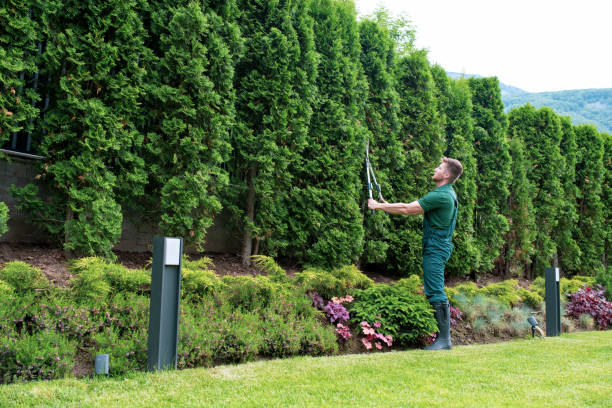
Adding seasonal elements to your landscape provides several advantages:
– Visual Interest: Changing displays create visual variety, ensuring your garden never feels stagnant.
– Celebrating Nature: Seasonal displays reflect the unique colors, plants, and themes associated with each time of year.
– Increased Curb Appeal: For businesses, vibrant displays attract customers. For homeowners, they make properties more welcoming.
– Customization: You can tailor designs to match holidays or personal preferences.
Ideas for Each Season
Spring
– Focus on bright blooms such as tulips, daffodils, and hyacinths.
– Use flowering shrubs like azaleas to anchor larger garden beds.
– Incorporate pastel-colored planters or decorative accents.
Summer
– Showcase bold flowers such as sunflowers, petunias, or zinnias.
– Add lush greenery through tropical plants like ferns or elephant ears.
– Include water elements like fountains or birdbaths for a refreshing touch.
Fall
– Embrace warm hues with chrysanthemums, ornamental kale, and asters.
– Use pumpkins, gourds, and hay bales as decorative elements in gardens or doorways.
– Highlight trees that display vibrant fall foliage for natural color transitions.
Winter
– Showcase evergreens like holly bushes or spruce trees adorned with lights or ornaments.
– Incorporate winter planters filled with pinecones, branches of red dogwood, or dried berries.
– Use hardscaping elements (stone pathways or sculptures) to add structure during plant dormancy.
Tips for Successful Seasonal Displays
- Choose the Right Plants: Select species suited to your climate zone and soil type. Native plants are often the most resilient choice for thriving year-round.
- Plan Ahead: Create a calendar that outlines which plants need replacing as seasons change so you can replant seamlessly.
- Layer Design Elements: Combine plants of varying heights and textures to create depth in flower beds or containers.
- Consider Lighting: Add outdoor lighting options such as string lights in winter months or solar-powered lanterns in summer evenings.
- Maintenance Matters: Regularly water new plantings and prune dead foliage to keep displays fresh.
| Season | Suggested Plants | Decorative Extras |
| Spring | Tulips, Daffodils | Pastel Planters |
| Summer | Sunflowers, Zinnias | Birdbaths |
| Fall | Chrysanthemums | Pumpkins |
| Winter | Evergreens | Pinecones/Ornaments |
Consulting Professionals
If you’re unsure how to execute seasonal landscaping projects effectively, working with professional landscapers may be beneficial. They offer expertise in selecting appropriate plants and designing cohesive layouts tailored to your property’s unique characteristics. Professional services also ensure proper installation techniques that improve plant longevity while maintaining aesthetic harmony across seasons.
Irrigation Systems: Essential for Landscaping Boston MA All Year Round
A well-maintained irrigation system is essential for ensuring that your landscape remains healthy, vibrant, and visually appealing throughout the year. Professional landscaping companies understand the importance of efficient water management and provide tailored irrigation solutions that meet the specific needs of your yard. Let’s explore how irrigation systems can transform your outdoor space and why investing in one is a smart choice.
Benefits of Installing an Irrigation System
- Consistent Water Distribution: Unlike manual watering, automated systems ensure even distribution of water across all areas of your lawn and garden. This consistency is crucial to prevent overwatering or underwatering.
- Time-Saving: Irrigation systems eliminate the need for hand-watering, freeing up more time for you to enjoy your outdoor space.
- Water Conservation: Modern irrigation systems are designed with efficiency in mind. Features like rain sensors and drip irrigation reduce water wastage while keeping plants hydrated.
- Improved Plant Health: Regular watering schedules provided by these systems promote healthier root development and encourage robust growth.
Types of Irrigation Systems
| Type | Description | Best For |
| Drip Irrigation | Delivers water directly to plant roots through a network of tubes, conserving water effectively. | Gardens, shrubs, flower beds |
| Sprinkler System | Sprays water over larger areas using rotating or fixed nozzles for uniform coverage. | Lawns and expansive landscapes |
| Soaker Hoses | Perforated hoses release water slowly into the soil along their length. | Rows of plants or vegetable beds |
| Smart Irrigation | Uses advanced technology like weather monitoring and soil sensors to optimize watering schedules. | Sustainable landscapes |
Signs You May Need an Irrigation System Upgrade or Repair
- Uneven watering patterns leading to dry patches or overly saturated areas
- Leaks or pooling water near pipes or sprinkler heads
- Higher-than-usual water bills due to inefficient operation
- Outdated technology lacking modern features such as programmable timers or rain shut-off sensors
Professional Installation vs DIY
- Customized Design: Landscaping professionals evaluate factors such as soil type, plant species, sun exposure, and topography when designing an irrigation plan tailored specifically to your property.
- Proper Installation: Experienced installers ensure correct placement of components like sprinkler heads and tubing for optimal performance.
- Ongoing Maintenance Services: Many companies offer seasonal inspections and repairs to keep your system running efficiently year-round.
Investing in a professionally installed irrigation system not only enhances the beauty of your outdoor space but also saves time, resources, and money in the long run.
Enhance the health and appeal of your landscape today with a reliable irrigation solution designed by experts in landscaping services.
Irrigation Systems: The Key to a Lush Landscape All Year Round
A well-designed irrigation system is fundamental to maintaining a healthy, vibrant, and lush landscape throughout the year. With proper watering, plants receive the nourishment they need to thrive, regardless of seasonal changes. Below is an exploration of why irrigation systems matter, how they work, and their various types and benefits.
Why Are Irrigation Systems Essential?
- Consistent Watering: Ensures all areas of your garden or lawn receive equal care.
- Water Conservation: Modern systems reduce water waste compared to manual watering techniques.
- Time-Saving: Automated scheduling eliminates the need for manual intervention.
- Healthier Plants: Delivers water directly to roots for better absorption and reduces foliage diseases caused by surface wetting.
Types of Irrigation Systems
| System Type | Description | Ideal For |
| Drip Irrigation | Uses a network of tubes to deliver water directly to plant roots via emitters. | Targeted watering for flower beds or vegetable gardens. |
| Sprinkler Systems | Sprays water over an area in a rain-like pattern using rotating or stationary nozzles. | Lawns and large open spaces. |
| Soaker Hoses | Porous hoses placed on the ground release water slowly into soil. | Small gardens with dense planting. |
| Smart Irrigation | Equipped with sensors and timers that adjust based on weather conditions. | Eco-conscious homeowners aiming for efficiency. |
Benefits of Installing an Irrigation System
- Efficient Resource Use: Smart irrigation technology adjusts according to soil moisture levels or weather patterns, ensuring optimal usage without wasting water.
- Improved Plant Health: Regular watering prevents stress on plants caused by dryness while avoiding issues like root rot from overwatering.
- Curb Appeal: A consistent supply of water keeps grass lush and greenery vibrant, enhancing the overall visual appeal of your property.
- Cost Savings Over Time: Although there may be upfront costs associated with installing a system, reduced water bills due to efficient usage offset these expenses in the long run.
Maintenance Tips for Longevity
To ensure your irrigation system functions efficiently year-round:
– Regularly inspect sprinklers or drip lines for leaks or blockages.
– Adjust settings seasonally based on plant needs.
– Clean filters periodically to avoid clogging.
– Winterize systems if you live in colder climates by draining lines before freezing temperatures arrive.
Professional landscaping companies can help design and install an irrigation system tailored specifically to your outdoor space’s unique characteristics while ensuring its long-term performance remains optimal.
By investing in a suitable solution, you not only preserve the beauty of your landscape but also simplify its upkeep significantly over time.
Steps to Designing a Better Outdoor Space Tailored to Your Vision
Designing an outdoor space that reflects your personal vision and meets your needs requires thoughtful planning and attention to detail. Whether you want a serene retreat, a functional entertainment area, or a vibrant garden, following a structured approach can help you achieve the perfect outdoor environment. Here are the key steps to designing an outdoor space tailored just for you.
1. Define the Purpose of Your Outdoor Space
Before diving into design details, identify how you plan to use your outdoor area.
Are you looking for:
– A relaxing oasis? Consider features like water elements, shade structures, or comfortable seating areas.
– A space for entertaining? You might need an outdoor kitchen, dining set-ups, or fire pits.
– A family-friendly yard? Include open play areas, safe pathways, and durable materials.
Clearly defining the purpose will guide the rest of your decisions during the design process.
2. Assess Your Existing Landscape
Take stock of what’s already present in your outdoor area.
Key elements to evaluate include:
– Site conditions: Analyze sunlight patterns, soil type, drainage issues, and slope gradients.
– Existing plants or structures: Decide whether certain plants should stay or be replaced and if older features need upgrades.
This evaluation will help determine what changes are necessary while ensuring compatibility with your vision.
3. Develop a Functional Layout
Creating a layout ensures that each part of your landscape serves its intended function effectively. Divide the space into zones based on usage:
| Zone | Function | Examples |
|——————|——————————————-|————————————–|
| Relaxation Zone | For unwinding and enjoying quiet moments | Hammocks, loungers, fountains |
| Social Zone | For hosting guests | Dining tables, BBQ areas |
| Green Zone | For gardening activities | Flower beds, vegetable gardens |
Sketch out how these zones will fit together while maintaining good flow between them.
4. Choose Appropriate Materials and Plants
Select materials that match both your aesthetic preferences and practical needs:
– Use natural stone or wood for rustic appeal; concrete or metal for modern designs.
– Opt for low-maintenance plants suited to your climate if time is a concern.
– Incorporate native species to promote biodiversity while reducing irrigation needs.
5. Incorporate Features That Reflect Your Personality
To truly tailor the space to your vision:
– Add custom-built pergolas or gazebos as focal points.
– Install personalized lighting schemes like string lights or LED up lighting for ambiance.
– Include art pieces such as sculptures or painted planters that resonate with you.
6. Plan for Sustainability
Sustainability is increasingly important in modern landscaping designs:
– Use permeable paving materials to improve water drainage.
– Install rainwater harvesting systems tied into irrigation setups.
– Choose drought-resistant plants where water scarcity is an issue.
By combining functionality with eco-friendly considerations, you’ll ensure your outdoor space thrives long-term.
Designing an outdoor space tailored to your vision involves balancing creativity with practicality at every step in the process. With thoughtful planning—from defining purposes and evaluating conditions to choosing materials and adding personal touches—you can create an extension of your home that brings years of enjoyment while enhancing curb appeal.
- Transform Your Outdoor Spaces with a Top Landscaping Company Boston Residents Trust
- The Best Tips from Boston MA Landscapers on When to Mow Your Lawn
- Transform Your Outdoor Space with a Leading Landscaping Company Boston
- 10 Landscape Lighting Ideas for Stunning Landscaping Boston MA
- Exploring the Services Offered by a Landscaping Company Boston
- Advantages of Hiring Experts for Hardscaping Boston Projects Over DIY Landscaping
- Finding the Right Landscaping Company Boston for Your Property Needs